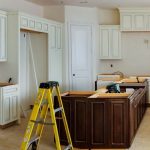
Alright – Let’s Talk About DIY Cabinets
There’s something appealing about the idea of building your own kitchen cabinets. You picture the savings, the satisfaction, and a finished kitchen that feels like it was truly yours from start to finish. And in Niagara Falls, where homeowners are always looking for smart ways to stretch a renovation budget, DIY cabinets can feel like a logical step.
But cabinets sit at the centre of your kitchen. They’re not just decorative—they define how the space functions every single day. So before you commit, it’s worth understanding what DIY really looks like, what it takes to do it well, and where it might make sense to bring in the right kind of help.
The What: More Than Just “Putting Cabinets In”
When people say DIY kitchen cabinets, they’re often picturing assembly. In reality, there are a few different levels to it.
At one end, you’re ordering flat-pack cabinets and installing them yourself. At the other, you’re designing every cabinet, cutting materials, building boxes, finishing doors, and installing everything from scratch.
Most homeowners land somewhere in between.
No matter which route you take, you’re still responsible for how everything fits together—how the cabinets line up, how the doors close, how the drawers glide, and how the entire layout works with your appliances and daily use. That’s where the real work lives.
The How: What It Actually Takes
The biggest shift when you go DIY is that you become the planner, the builder, and the installer.
It starts with measurements—and this part is more important than people expect. In many Niagara Falls homes, walls aren’t perfectly straight and floors aren’t perfectly level. That means you’re not just measuring once and ordering cabinets. You’re adjusting, planning around imperfections, and thinking ahead so everything still lines up once it’s installed.
From there, you’re choosing materials and finishes that need to hold up over time. Kitchens deal with moisture, heat, constant use, and cleaning. A cabinet that looks good on day one still needs to look good a few years from now.
Then comes the actual build or assembly. This is where precision matters. Cabinets don’t give you much room for error. Small inconsistencies show up as uneven gaps, crooked doors, or drawers that don’t quite feel right.
Installation is where it all comes together—and where many DIY projects become more involved than expected. Getting everything level across an entire kitchen, especially if the space isn’t perfectly square, takes patience and careful adjustment. But when it’s done right, it’s incredibly rewarding.
The Part Most People Don’t Think About (But Should)
There are a few practical realities that are worth considering upfront—not to scare you off, but to help you plan properly.
Tools are one of them. You don’t need a full workshop, but you do need more than the basics if you’re building or modifying cabinets. Clean cuts, square joints, and proper installation all depend on having the right setup.
Time is another factor. DIY cabinets are rarely a quick project, especially if you’re learning as you go. But for some homeowners, that’s part of the appeal. You’re trading time for savings and control over the process.
Then there’s waste and small mistakes. They happen. A panel gets cut slightly off, a hinge placement needs adjusting, or a finish doesn’t come out exactly how you expected the first time. It’s all manageable—it just needs to be part of your plan, not a surprise.
The key here isn’t that DIY is risky. It’s that it rewards preparation.
The Cost Conversation: Where DIY Really Shines
This is where DIY kitchen cabinets start to make a lot of sense.
When you remove full labour costs, you can redirect that budget into better materials, upgraded hardware, or even expanding the scope of your kitchen. For many Niagara Falls homeowners, that’s the difference between a basic update and something that feels like a true upgrade.
The savings are real—but they come from being involved in the process, not from cutting corners.
If you approach it thoughtfully, DIY gives you flexibility. You decide where to spend and where to scale back. You can invest in the pieces that matter most to you while still keeping the overall budget in check.
So… Should You Do It?
The honest answer is yes—for the right person and the right approach.
If you’re hands-on, willing to plan carefully, and open to learning along the way, DIY kitchen cabinets can be a great way to take control of your renovation and save money doing it.
But that doesn’t mean you have to do everything on your own.
A Better Approach for Most Homes
A lot of the best outcomes come from a mix of DIY and professional support.
You might handle parts of the project yourself—planning, prep, even some installation—but still lean on experienced professionals for the pieces that matter most. That could be cabinet design, sourcing higher-quality materials, or making sure everything fits the space properly before you begin.
This is where it’s worth connecting with a team like Niagara Kitchens & Countertops.
Instead of choosing between full DIY or fully hands-off, you can have a conversation about what makes sense for your project. Maybe you want to install your own cabinets but need help getting the layout right. Maybe you want access to better materials without taking on full custom costs. Or maybe you start DIY and decide you’d rather have help bringing it across the finish line.
That kind of flexibility is what makes the biggest difference.
Bringing It All Together
DIY kitchen cabinets aren’t about doing everything the hard way—they’re about making smarter decisions with your budget and your space.
For Niagara Falls homeowners, the opportunity is clear. You can save money, stay involved in your renovation, and still end up with a kitchen that feels polished and built to last.
The smartest next step isn’t guessing your way through it—it’s getting clarity.
Reach out, ask questions, and see what’s possible. With the right mix of DIY effort and professional support, you might be closer to your ideal kitchen than you think.